Who's holding the keys when your customers are away?
Keyholder lists are built around a normal working week, and over Christmas the people on them are often away. This article looks at where nominated keyholders fall short, how professional keyholding and on-demand response differ, and what installers can offer customers before the break.
It's 7:40pm on the Saturday between Christmas and New Year. An intruder alarm activates at a closed commercial unit. The ARC calls the first keyholder, who is three hours away. The second keyholder's phone goes to voicemail. Forty minutes after activation, nobody is on the way, the police won't attend an unconfirmed alarm, and the site stays open until someone can drive back the next morning.
Keyholder lists are built around a normal working week. Over Christmas, the people on them are often travelling, offices close for a week or more, and the member of staff who normally attends is on leave.
AURA's UK data shows when that matters. At the commercial sites we cover, Saturday was the busiest day for intruder-on-property callouts in 2025/26, with 21%, and Saturday and Sunday together accounted for 37%. Weekends are when keyholders are hardest to reach, and the Christmas break adds several more days like them.
When the alarm goes to a keyholder
Police attend confirmed alarms on URN-registered systems. Until an alarm is confirmed, the ARC calls the keyholder, and police guidance expects at least two keyholders who can get to site within 20 minutes. That standard assumes keyholders are at home, and over Christmas many of them aren't.
Three false calls in a rolling 12 months withdraws police response (two for hold-up alarms), and missed keyholder attendance can also put a site's response at risk. Once response is withdrawn, the site is keyholder only, managed by the monitoring company (Devon & Cornwall Police).
Why the list breaks down over Christmas
Nominated keyholders are usually the business owner, a manager or a member of staff. For homes, they're often a neighbour or relative. None of these is a bad choice in principle, but they all work to the same calendar as everyone else. Over the festive period, the people on the list are more likely to be away, to be more than 20 minutes from the site, or to miss a call in the early hours.
There's also the question of what we're asking keyholders to do. A keyholder who attends is usually arriving at an empty building alone, often after dark, without knowing what set the alarm off. When that keyholder is a member of staff, their employer is asking them to work alone, and the Health and Safety Executive notes that lone workers face greater risks when there's no direct supervision and no one to help if something goes wrong. It's a point worth raising with commercial customers before the break.
When the first keyholder doesn't pick up, we work down the list: usually two or three calls to each person, then back to the top in case someone missed it. Over Christmas, it's common to get to the end of the list with nobody able to go.
Phones are off, people are abroad, or the one person who answers is hours away. On a normal week that might happen occasionally; over the festive period it's several times a night. And when it does, the alarm doesn't go away. Without a keyholder or a confirmed alarm the police won't attend, so the site just sits there open until someone can get to it, sometimes not until the next morning.
Professional keyholding and on-demand response
Professional keyholding replaces the friend or employee with a contracted provider. Under UK law, holding keys or controlling access to them as part of a contract for services requires an SIA licence, because keeping, or controlling access to, any key or device for operating a lock is a licensable activity.
A business's own employees won't usually need a licence if they work in-house. Staff keyholders are a common and legitimate choice, but a licensed provider comes with vetting and accountability that an informal arrangement doesn't have.
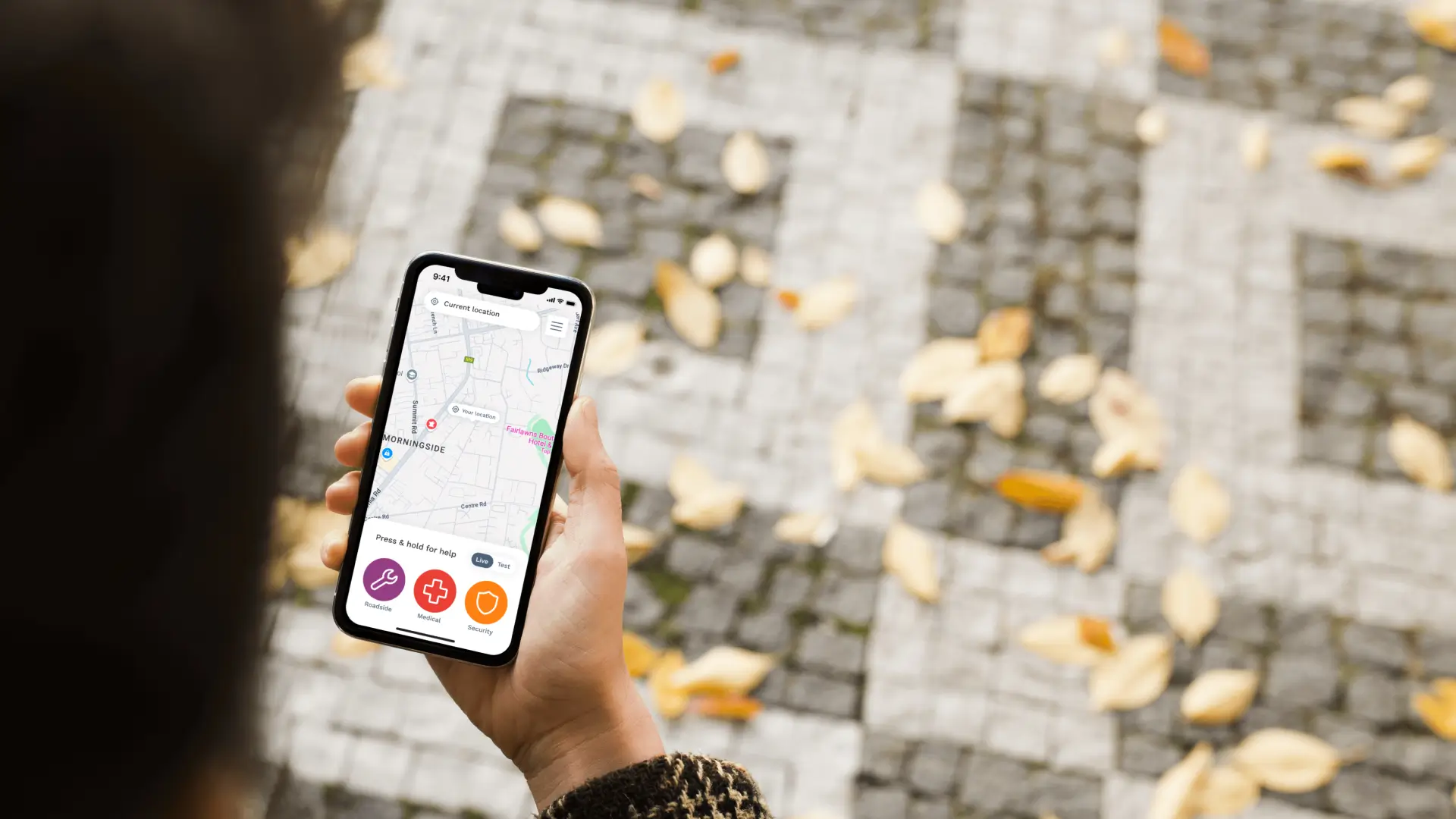
On-demand response extends what keyholding and response companies can do. AURA's UK partner network includes more than 180 private security companies, so the ARC isn't relying on one provider's officers being nearby. When the ARC decides an alarm needs someone on site, it passes it to AURA and we send the nearest available vetted SIA officer. Where there's key access, the officer checks inside as well as out. If there's a real threat, they call 999 from site. If it's a false trigger, they check and secure the site and report back so the ARC can rearm. Each attendance ends with a time-stamped report with photos and location data.
AURA doesn't sit between a confirmed alarm and the police: confirmed alarms on URN sites still go to the police as they do now. We cover the attendance before that point, and sites where police response has been withdrawn.
What you can offer customers before the break
Christmas gives you a reason to call commercial customers before something goes wrong. These are worth raising:
Who's on the list for the actual dates. Ask who will be away over the break and update the ARC, so the second keyholder isn't travelling with the first.
Cover for longer closures. For sites shut for a week or more, and sites where police response has been withdrawn, on-demand response gives the ARC someone to send when keyholders can't attend.
Access for a responder. If the customer wants a responder to check inside, a key safe fitted on a service visit means they don't have to wait for keys.
If a customer's keyholders can't attend over Christmas, the ARC can pass the alarm to AURA, and we send a vetted SIA officer instead. It works with the ARC and equipment the site already has, and you set the price to your customer. Part 3 of this series explains how installers add it.
Part 2 of this series turns these points into a full pre-Christmas checklist for commercial sites.
Keyholder arrangements can fail at any time of year, but Christmas puts them under the most strain. Checking them now takes a phone call per customer, which is far easier than finding out on 27 December that nobody can attend.
Tom Silby
Business Development Manager
FAQs
Frequently asked questions about holding over the holidays
Who responds when an alarm goes off at a closed commercial site over Christmas?
Police attend confirmed alarms on URN-registered systems. Until an alarm is confirmed, the ARC calls the keyholder, and police guidance expects at least two keyholders who can get to site within 20 minutes. That standard assumes keyholders are at home, and over Christmas many of them aren't.
Why do keyholder lists fail over Christmas?
Keyholder lists are built around a normal working week. Over Christmas, the people on them are often travelling, offices close for a week or more, and the member of staff who normally attends is on leave. They are also more likely to be more than 20 minutes from the site, or to miss a call in the early hours.
What happens when police response is withdrawn from a site?
Three false calls in a rolling 12 months withdraws police response (two for hold-up alarms), and missed keyholder attendance can also put a site's response at risk. Once response is withdrawn, the site is keyholder only, managed by the monitoring company.
Do professional keyholders need an SIA licence?
Under UK law, holding keys or controlling access to them as part of a contract for services requires an SIA licence. A business's own employees won't usually need a licence if they work in-house. A licensed provider comes with vetting and accountability that an informal arrangement doesn't have.
What is on-demand response and how does it work with the ARC?
When the ARC decides an alarm needs someone on site, it passes it to AURA and we send the nearest available vetted SIA officer. If there's a real threat, they call 999 from site. If it's a false trigger, they check and secure the site and report back so the ARC can rearm.
To see how response fits alongside what you already offer, watch the UK Installer Masterclass.
To see how response fits alongside what you already offer, watch the UK Installer Masterclass.