Panic button app in South Africa: A Women’s Month guide to personal safety
A panic button app in South Africa can help you request security or medical assistance when you feel unsafe. This guide explains how these apps work, what happens after an alert and what to check before relying on one.
For many South African women, personal safety is a daily consideration. It can influence where they park, how they travel or who they tell before meeting someone new. A panic button app can offer a quick way to ask for help—but not every app provides the same level of response.
The scale of the problem is significant. According to the HSRC’s National Gender-Based Violence Study 2022, more than 35% of South African women aged 18 and older have experienced physical or sexual violence in their lifetime.
AURA’s people protect incident data reflects this reality. In H1 2026, more than 40% of AURA’s life-saving callouts in South Africa have involved domestic violence, domestic disputes or assault, with women making up most of the victims.
A panic button app can provide a direct way to request assistance from a mobile phone. But not every app works in the same way, and downloading one does not necessarily mean that a trained security responder will be sent to your location for your safety
This Women’s Month, we look at what a panic button app actually does, what happens after an alert is activated and what to consider when choosing one.
What is a panic button app?
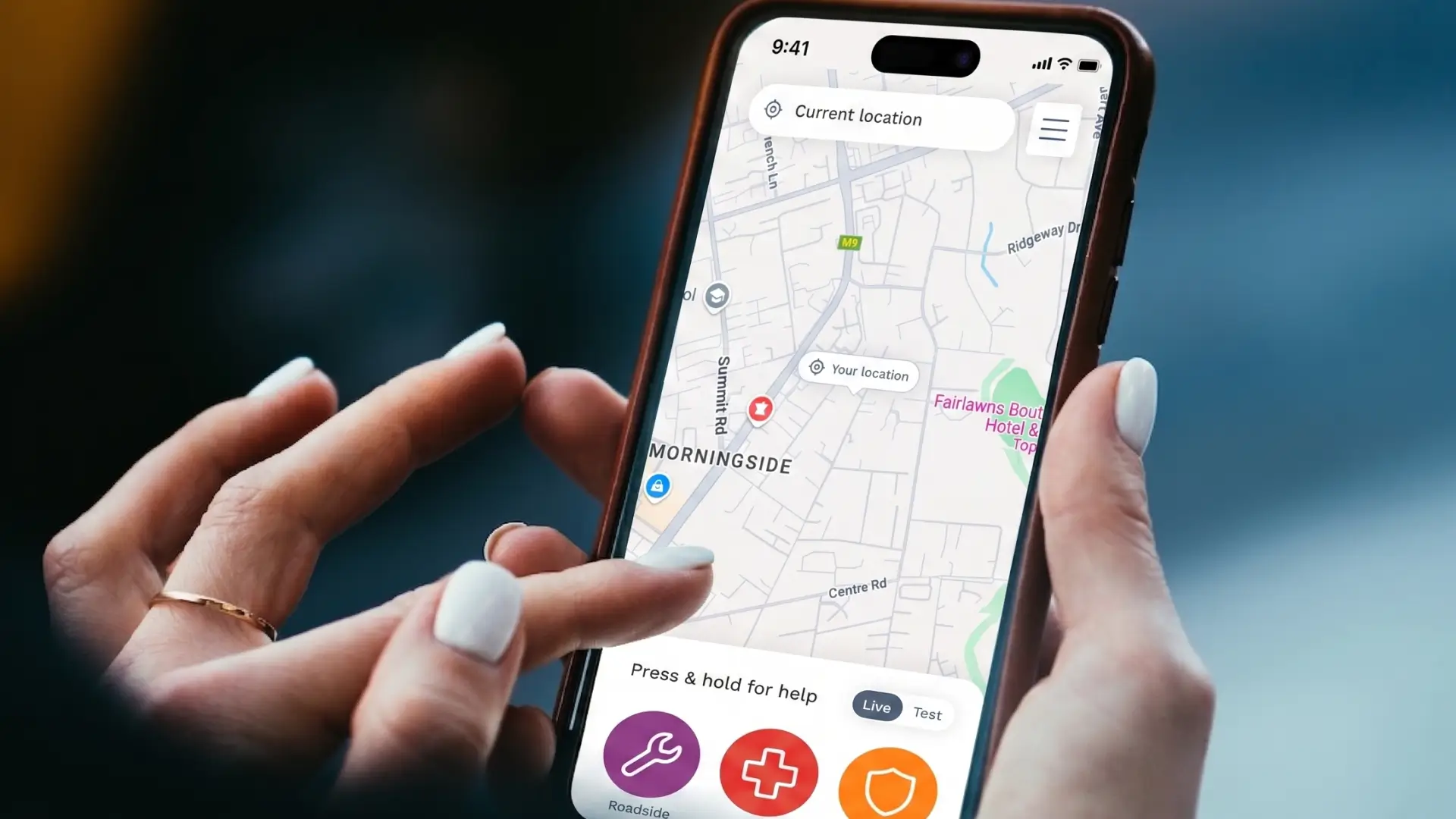
A panic button app is a mobile application that allows a user to trigger an emergency alert, often by tapping a button inside the app or activating a connected device.
Depending on the service, the alert may:
Notify selected friends or family members
Share the user’s live or last known location
Connect the user to a control room
Request a security or medical response
Provide updates while help is on the way
The most important question is not only how the alert is sent. It is what happens next.
Some apps simply notify a chosen contact, leaving them to decide what to do next. Others connect the user to a professional control room that assesses the incident and coordinates suitable assistance.
What should you look for in a panic button app?
Before relying on an app, ask five questions.
Who receives and manages the alert?
Find out whether the alert goes to a trusted contact or a professional control room. A managed service should assess the situation, coordinate assistance and stay involved as the incident develops.
Can the service locate you?
Accurate location sharing is essential, especially if you do not know your address or cannot speak freely. Check whether the service can access your live or last known location when an alert is triggered.
Can trusted contacts help protect you?
Some services allow trusted friends or family members to request assistance on your behalf if they believe you are in danger or cannot activate the alert yourself. Check what permissions they have and your location sharing settings.
Is the incident actively managed?
A managed service should stay involved after the first alert. The team should assess the incident, coordinate assistance, monitor the response and adapt if the situation changes.
Are trained responders available where you need them?
Check whether the service works with trained, vetted security or medical responders and whether support is available in the areas where you live, work and travel.
These questions help distinguish a basic notification tool from a managed emergency response service that can send trained help when it matters most.
How AURA manages an emergency alert
AURA is an emergency response platform that enables organisations to build private security and medical response into their own apps, platforms and employee benefits.
Through these partnerships, many South Africans may already have access to AURA through an employer, bank, insurer or another service provider.
How AURA’s panic button app works
Unlike a basic panic button that only sends a notification, AURA helps manage the incident from the moment an alert is received.
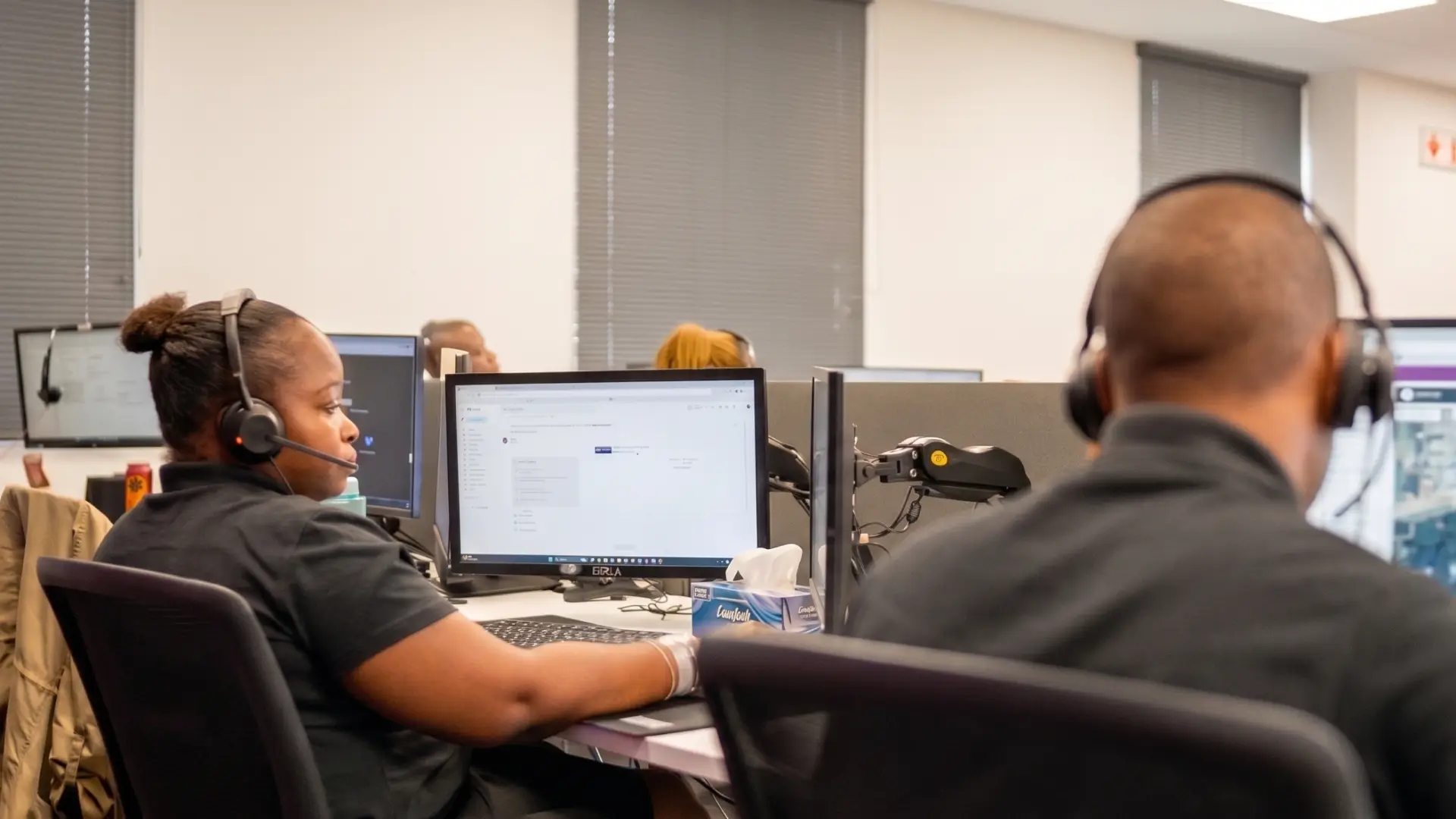
When a user triggers an alert, the AURA control room receives available information such as their GPS location, incident type and relevant profile or medical details.
As AURA’s Global Control Room Manager, Chumile Senene explains:
“The system starts matching a responder at the same moment the alert comes in, while the operator focuses on contacting the user and assessing the situation.”
A medical emergency may be routed to an appropriately qualified medical responder, while a security incident may require a vetted armed-response provider.
Once a responder has been dispatched, the control room tracks their progress, remains in contact with the relevant parties and reassesses the incident if the situation changes.
When the responder arrives, they assess the scene and begin providing the appropriate assistance. The AURA control room remains involved until the incident has been resolved.
Track your loved ones
Personal safety often extends to the people you care about. Depending on the service they use, users can request help on behalf of a loved one if they believe they are in danger or unable to trigger an alert themselves.
This can help families feel more connected and prepared, whether someone is travelling alone, commuting, exercising outdoors or facing an emergency at home.
Quality is also monitored after onboarding through incident reviews, performance data and ongoing oversight to ensure partners continue to meet AURA’s standards.
When fast access to help can make a difference
In one recent domestic violence incident, a woman requested security assistance while violence was taking place.
A vetted security responder arrived within 13 minutes and remained at the scene to monitor the situation. Their presence helped prevent the incident from escalating further.
The incidents show why the service behind a panic button matters. Sending an alert is only the first step. A managed response can help locate the person, dispatch an appropriate responder and stay involved while the situation develops.
Why businesses should make personal safety easier to access
Businesses have an important role to play in making professional emergency response easier to access.
By offering this support through products, platforms and benefits that employees or customers already use, organisations can give more women a direct way to request help when it matters most.
For employers, this can provide practical employee benefits for people who travel for work, work late, visit unfamiliar locations or spend time alone in the field. It can also strengthen an organisation’s approach to employee wellbeing and duty of care.
For banks, insurers, wellness platforms and other consumer brands, emergency response can add meaningful value to an existing service and differentiate your offering.
AURA people protect is designed to connect employees and customers to on-demand security and medical response. Businesses can offer it through an existing app, a white-label service, an API integration or a connected device.
This Women’s Month, check what support you can access
A panic button app in South Africa is most valuable when it connects people to a reliable emergency response process, supported by accurate location information, trained operators and suitable responders.
Businesses can widen access to this support by offering on demand emergency response through the services their employees and customers already use, they can help more women feel safer and access help when it matters most.
This Women’s Month, we encourage women to check whether they might already qualify for AURA’s emergency response – either at no cost or through a subscription. Visit share.aurasos.com to see some of the companies offering access, then share this guide with someone who may also benefit.
Lindsay Campbell
Senior Marketing Manager
FAQs
Everything you need to know about panic button apps in South Africa
What is a panic button app?
A panic button app allows you to send an emergency alert from a mobile phone or connected device. Depending on the service, it may notify contacts, share your location or request a security or medical response.
How does a panic button app work in South Africa?
You activate an alert through an app or connected device. The service may then receive your location, assess the incident and identify a suitable responder.
Can a panic button app be used for medical emergencies?
Some services support both medical and security incidents. Check which types of assistance your app includes before relying on it.
Can I request help for a family member?
Some panic button services allow trusted contacts to request help on behalf of friends or family members. The exact process depends on the provider and the features available.
Can businesses offer panic button access to employees?
Yes. Employers can provide panic button access as part of an employee safety, wellbeing or duty-of-care programme. It may be offered through an app, platform integration or employee benefit.
You may already have access to AURA
Check whether AURA is included through your employer, bank, insurer or another service provider you already use.
Join AURA at the Nevada Security Association in Las Vegas on October 28 for its annual Industry Get Together & Youth Scholarship Fundraiser.
United States
United States
•
November 18-19, 2026
LLSSA Convention
Meet AURA at the LLSSA 2026 Convention in Kenner and discover a new way to grow recurring monthly revenue from the accounts you already serve.
United States
United States
•
October 21-23, 2026
TBFAA Convention & Trade Show 2026
Meet AURA at the TBFAA Convention & Trade Show in College Station and explore how on-demand guard response can help you grow recurring monthly revenue from the accounts you already serve.





.webp)





.webp)



.svg)

.svg)
.svg)
.svg)
.svg)