The future of security response for facilities management: Faster, smarter, more accountable
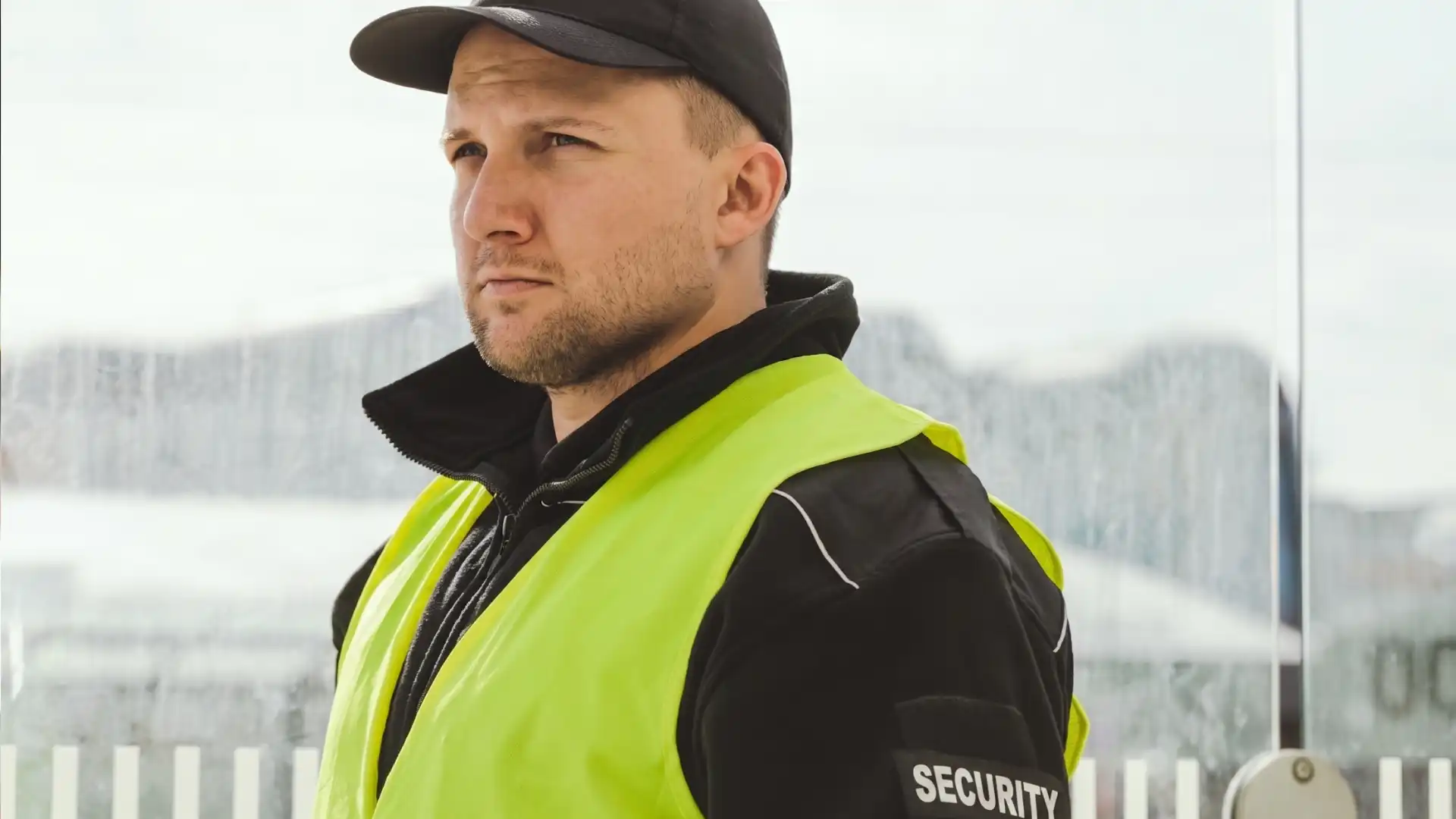
Security response for facilities management is evolving. In this article, we ask industry professionals in the UK what modern facilities management operators need from security response today — and why faster dispatch, real-time visibility, clearer reporting, and stronger accountability are becoming the new standard.
From security attendance to greater accountability
For a long time, security response for facilities management (FM) was judged by one main question: did someone attend site?
That question still matters. Physical attendance remains a critical part of protecting people, properties, and assets. But for facilities management operators, attendance alone is no longer enough.
FM providers are operating in a more demanding environment. Clients expect faster communication, stronger SLA performance, clearer reporting, and greater certainty when incidents happen across their sites.
To understand how expectations are changing, we asked industry professionals what modern security response needs to deliver for facilities management teams today:
What industry leaders are seeing
Judy Courtney, Director – Mobile Services, Mitie
“Having worked in mobile services for more than 33 years, I’ve seen security response and keyholding evolve from being viewed largely as a reactive, cost-driven service into something that now sits much closer to operational resilience, risk management, and client experience.
Thirty years ago, success was often measured simply by whether someone attended site and completed a report. Today, expectations are fundamentally different. FM teams are under greater SLA pressure, clients expect immediate visibility, and there is far less tolerance for uncertainty around who responded, what decisions were made, and whether duty of care obligations were met..
In my view, modern security response must deliver more than attendance — it must provide transparency, accountability, and measurable performance. Real-time reporting, live status updates, clear audit trails, and data that helps FM teams improve outcomes should now be standard. The future belongs to providers that combine experienced people with technology to deliver confidence, not just compliance.”
Russell Hobbs, Account Director, OCS
“In terms of innovation and technology, it is a really exciting time for the security industry. The future is likely to be a far more blended approach involving innovation, technology and manpower.
For facilities management teams, that technology needs to make the service easier to use and easier to manage. The implementation and setup should be well managed, the platform should be straightforward, and teams should be able to access the required information and outputs without adding unnecessary complexity.
However, technology on its own is not enough. It needs to be supported by a collaborative and responsive supplier, regular performance reviews and a consistent operational service. That combination of technology, people and clear performance data is what will give clients greater confidence in the security response model going forward.”
What modern security response for facilities management should deliver
Modern security response needs to deliver across five key areas:
1. Faster dispatch
When an incident happens, speed matters. FM teams need security response models that can identify and dispatch the right responder quickly, with clear visibility from the start.
2. Smarter coordination
Response should not depend only on fragmented calls and manual updates. FM teams need better coordination between control rooms, responders, customers, and site stakeholders.
3. Real-time visibility
Live updates, ETAs, arrival confirmation, and on-site status updates are becoming increasingly important. FM teams need to know what is happening while the response is active, not only once it is complete.
4. Stronger accountability
A modern response model should create a clear audit trail of who responded, when they arrived, what actions were taken, and how the incident was resolved.
5. Better performance data
Response data should help teams improve. Over time, it can support better SLA reporting, supplier management, coverage planning, and operational decision-making.
What AURA gives facilities management providers
AURA helps facilities management providers close the visibility gap left by traditional mobile security response models.
Adrian Meredith, Commercial Director at AURA UK
“For FM teams, the biggest shift is that response can no longer feel disconnected once a callout is made. Clients want to know what is happening, when it is happening, and whether the right actions are being taken on site.
AURA helps bring that journey into view. By connecting dispatch, responder tracking, live updates, incident reporting, and audit trails, we help FM providers give their clients more confidence from the moment an incident is raised to the moment it is resolved.
The goal is not to replace experienced responders or existing operations. It is to give FM teams better visibility, stronger accountability, and clearer proof of performance across the response journey.”
AURA’s security dispatch software connects the full response journey, from activation and responder acceptance to live responder tracking, site attendance, escalation, incident close-out, and SLA reporting.
Rather than treating dispatch as the final operational milestone, AURA offers FM teams and control rooms a more comprehensive view of the entire incident lifecycle, providing full visibility into what happens after dispatch:
Live visibility across the response journey
Faster access to suitable responders through an aggregated nationwide accredited partner network over 180+ response partners
Clearer SLA oversight with live progress updates
Less manual chasing between control rooms, suppliers, and clients
Stronger proof after every incident through timestamps, checklists, digital reports, and audit trails
This helps FM providers demonstrate what happened, how the response was managed and whether agreed procedures were followed.
Choosing the right response model for each site
Connected mobile response is not a universal replacement for static guarding.
The right security response for facilities management teams depends on the specific risks and operating requirements of each property.
Static guarding may remain the most appropriate option where there is:
High footfall
A persistent security threat
A need for continuous supervision
Valuable or sensitive assets
Complex access requirements
A regular requirement for immediate on-site intervention
For many property portfolios, the strongest solution will combine these approaches.
The objective is not to reduce guarding. It is to match the response model to the risk at each site while maintaining a reliable route to physical intervention when it is needed.
The future of response is connected
Security response for facilities management is moving into a new phase.
Physical attendance remains essential. But attendance alone does not provide the visibility, assurance or evidence that modern FM teams and their clients require.
The future of security response is a connected model that brings together experienced people, responsive suppliers and technology across the full incident lifecycle.
By making every stage easier to activate, track, verify and measure, FM providers can manage incidents with greater confidence and give their clients clearer proof of performance.
Lindsay Campbell
Senior Marketing Manager
FAQs
Everything you need to know about security response for facilities management.
What do facilities management providers get with AURA?
FM providers get access to a connected security response platform and an aggregated network of response partners. This helps teams request, track, manage and report on security response callouts across their sites, with greater visibility from dispatch through to incident close-out.
How quickly can AURA dispatch a responder?
AURA is designed to identify and dispatch suitable nearby responders quickly through its connected response network, with an average response time of under 30 minutes. The platform helps reduce delays by moving away from manual supplier calling and giving teams faster visibility of responder acceptance and progress.
Can facilities management teams track the responder once a callout is active with AURA?
Yes. AURA gives teams live visibility of key response milestones, including responder acceptance, en route status, GPS location, ETA, arrival on site, escalation activity and close-out. This helps control rooms and FM teams stay informed while the incident is active, rather than waiting for manual updates.
What information is included after an incident?
After a response, teams receive structured incident information such as timestamps, responder activity, actions taken on site, escalation notes, close-out details and supporting digital reports. This creates a clearer audit trail and helps FM providers demonstrate what happened during each callout.
Make every response visible, accountable and measurable
Discover how AURA can help your team coordinate incidents faster, track response in real time and strengthen reporting across your property portfolio.
Join AURA at the Nevada Security Association in Las Vegas on October 28 for its annual Industry Get Together & Youth Scholarship Fundraiser.
United States
United States
•
November 18-19, 2026
LLSSA Convention
Meet AURA at the LLSSA 2026 Convention in Kenner and discover a new way to grow recurring monthly revenue from the accounts you already serve.
United States
United States
•
October 21-23, 2026
TBFAA Convention & Trade Show 2026
Meet AURA at the TBFAA Convention & Trade Show in College Station and explore how on-demand guard response can help you grow recurring monthly revenue from the accounts you already serve.





.webp)





.webp)



.svg)


.svg)
.svg)
.svg)
.svg)
.svg)