Traditional alarm response often involves multiple calls, manual coordination and limited visibility once a responder is dispatched. Smart response technology brings these workflows together in one digital platform. The platform connects monitoring centres with vetted security and medical responders through real-time dispatch and incident tracking.
Smart response technology now handles much of the work that, for as long as alarm monitoring has existed, fell to manual coordination between alarm receiving centres and responders.
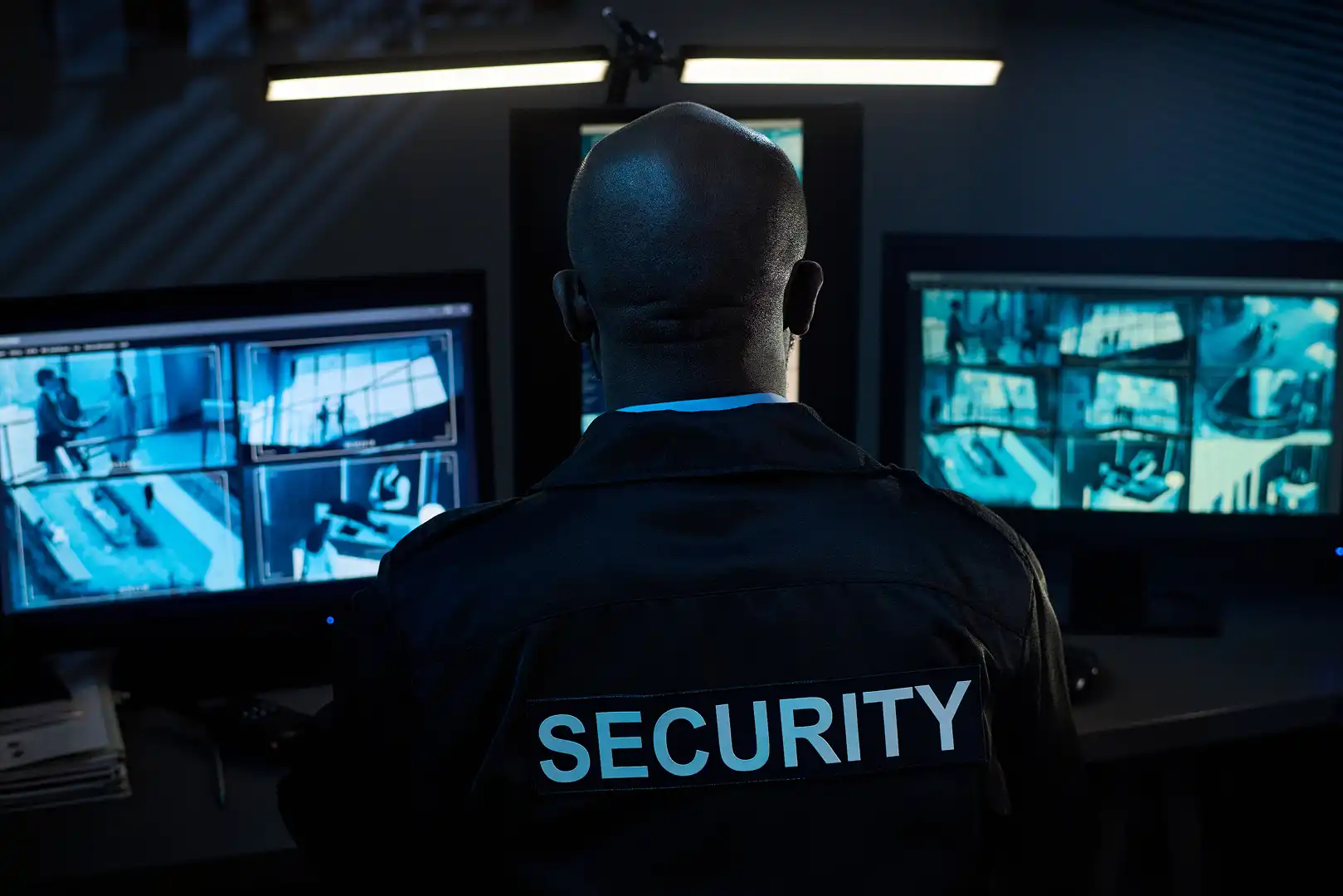
When an alarm is activated, a monitoring operator would receive the signal, open the customer record on a computer screen, review the account information and begin making calls.
The first step was usually to contact the property owner and determine whether the activation was accidental or required urgent attention. If contact could not be made, the operator followed a predetermined escalation process, contacting emergency services or other relevant responders while manually logging each action along the way.
Effective as it was within the limitations of available technology, the process introduced unavoidable delays.
Telephone calls take time to connect, and unanswered calls or voicemail messages add further waiting periods. Operators can manage only a certain number of incidents at once, which can create queues during busy periods. While attempts are being made to reach the right contact, the event that triggered the alarm continues unfolding without confirmation of what is happening at the location.
Security responders faced their own operational constraints.
Responders were frequently moving between patrol routes or attending other callouts. Monitoring centres needed to identify available responders, provide details of the incident and coordinate deployment. Once on the move, updates often relied on periodic radio or telephone communication, creating gaps in visibility and uncertainty around estimated attendance times.
As security customers grow less tolerant of delayed on-site confirmation and uncertain response timelines, smart response technology is helping monitoring centres shorten the gap between alarm confirmation and dispatch.
What is smart response technology?
Smart response technology is software that uses live location data, incident information and responder availability to coordinate security responses in real time.
When an alarm is activated, the system receives the alert from a monitoring centre and identifies the nearest vetted responder based on proximity and availability. It then sends the dispatch request and provides live updates on dispatch, arrival and incident status.
By connecting these steps in one platform, smart response technology gives operators better visibility over every incident and helps reduce delays and inefficiencies caused by manual coordination.
Disambiguation: smart response technology
The term "smart response technology" is not exclusive to the security sector and may refer to technologies used in computing, communications or operational management.
It is not the same as, for example, Smart Response Technologies, a monitoring solutions company, or Intel Smart Response Technology, a computer storage performance feature.
Within this article, it describes AURA's platform for connecting alarm monitoring centres with a nationwide pool of vetted responders through intelligent alarm coordination.
How smart response technology works
Smart response technology helps alarm monitoring centres coordinate incidents faster by connecting alerts, physical confirmation, dispatch and tracking within one connected workflow.
1. Property alert is triggered
An alarm device sends an alert to the monitoring centre. This could be linked to intrusion detection, panic activation, fire detection or another monitored event. The signal is transmitted immediately, creating a new incident within the monitoring platform.
2. Control centre receives and confirms the alert
Monitoring staff receive the alert and review the information linked to the incident. Smart response technology brings together critical details on a single screen. Operators can see the location, alarm type, contact details, site instructions, and incident history within a single view.
3. Smart dispatch matches the closest responder
Once the incident is confirmed, the system identifies the most suitable responder based on live location data, availability, coverage area, and response capability. This removes the need for operators to contact multiple response providers one by one to find available assistance.
4. Responder is dispatched instantly
Once a responder is selected, dispatch instructions are sent directly to their mobile device. This includes location information, incident type, and site-specific instructions. Upon reaching the site, the responder physically confirms the alarm. This assessment helps establish whether criminal activity is present and whether police notification is required.
5. Incident progress is tracked Live
Throughout the response, the control centre can follow the responder's location and status in real time. Incident updates flow back to the monitoring team as the situation develops, creating continuous visibility from dispatch through to closure.
6. Incident record generates in platform
Every stage of the response is recorded, including the alert time, confirmation steps, dispatch details, tracking information and the outcome. This creates an incident history that can be reviewed later for reporting, auditing and service improvement.
Smart response technology vs traditional dispatch
Capability
Traditional dispatch
Smart response technology
Responder allocation
Manual
Automated matching
Availability visibility
Limited
Real-time
Dispatch workflow
Phone-based
Digital
Incident tracking
Often fragmented
Centralised
Status updates
Manual
Live updates
Audit trail
Partial
End-to-end
Scalability
Labour intensive
Technology enabled
The benefits of smart response technology for monitoring Centres
Faster security response
Once an incident has been confirmed, the nearest available responder can receive dispatch instructions within five seconds. Because the responder is selected using live availability and location information, estimated attendance times can be below 30 minutes. Monitoring centres can move from alert confirmation to physical intervention without unnecessary delays.
Access to a vetted and trusted responder network
Every responder available through the network has been checked and approved before joining.
Monitoring centres gain access to trusted response resources without needing to establish individual agreements with multiple response providers across different regions.
Better outcomes through coordinated intervention
Monitoring centres can follow incidents from dispatch through to resolution with live status updates throughout the response. Operators, responders and monitoring teams work from the same incident information, which supports faster decision-making and more effective intervention when a threat is present.
Reduced reliance on manual processes
Traditional dispatch methods often involve multiple phone calls, repeated updates and time-consuming coordination. Smart response technology reduces administrative workload by bringing responder selection, dispatch and incident tracking into a single connected process.
Better operational control
Monitoring centres gain greater visibility over every stage of the response process. Operators can follow responder status, monitor progress in real-time and review complete incident records. Greater oversight supports service consistency, accountability and reporting.
No fragmented security responders
Working with numerous unrelated response providers can create inconsistent service levels and communication gaps. Smart response technology brings response resources together within one coordinated network, improving accountability and visibility.
Expand your service nationwide
Many monitoring centres face geographic limitations when relying on local security partnerships. A connected responder network extends service coverage across multiple cities and regions, helping monitoring centres support customers wherever they require protection.
Differentiate your monitoring packages
Many monitoring services provide alarm monitoring and incident escalation. Smart response technology adds a physical response capability that strengthens the overall service offering and creates a clear point of difference in a competitive market.
New revenue opportunities
Monitoring centres can position smart response technology as a premium service tier with an additional monthly fee. This creates opportunities to increase recurring revenue while delivering a stronger value proposition to subscribers.
How to deploy AURA’s smart response technology in your monitoring centre
The implementation process focuses on system setup, onboarding, operator training and operational readiness to ensure a smooth transition.
Explore the system and book a demo
Before any technical integration, the first step with AURA is to talk with our team and book a product demo.
The demo helps you see how the Control Centre Portal and SOS workflows work in real time. It’s usually obligation-free and lets you ask questions around your specific setup.
This is also the chance to clarify deployment options — such as API integration, portal access, white-label apps, panic buttons, or dispatch console features.
AURA can be deployed in various ways, depending on how you want your centre to operate:
White-label mobile/app integration
You can integrate AURA’s SOS functions directly into your app or alarm client app:
Direct API integration
Connect your alarm/alert system directly to AURA’s SOS APIs
Alerts pass to AURA for smart routing and real responder dispatch
White-label app or portal
Offer your clients a branded mobile app or portal for SOS alerts
All alerts still feed into AURA’s 24/7 dispatch ecosystem
Control centre software add-on
Use AURA’s portal/dispatcher console alongside your CMS
Operators trigger SOS directly from your monitoring interface
AURA becomes an extension of your normal response workflow, just backed by a real-time responder network.
The onboarding phase
During this stage, the AURA team works with your monitoring centre to understand your operational requirements, alarm handling procedures and escalation workflows.
Key onboarding activities typically include:
Account and user setup
Configuration of monitoring centre permissions and access levels
Integration with existing alarm monitoring systems where applicable
Site and customer data confirmation
Operator training and familiarisation with the platform
Testing of incident management and response workflows
This phase ensures that operators are comfortable using the system before it goes live and that all required information is correctly configured.
Going live
Once testing has been completed successfully, the monitoring centre can transition to live operation.
At this stage, operators begin using AURA SOS as part of their normal incident management processes. The platform becomes an integrated component of daily monitoring activities, providing visibility into incident progression and response activity.
Ongoing support and optimisation
Deployment does not end at go-live. Ongoing support is available to assist with operator questions, platform updates and operational improvements.
As monitoring centres grow or operational requirements change, configurations can be refined to ensure the platform continues to support efficient incident management and reporting.
Tarryn Pickup
Head of Global Marketing
FAQs
Everything you need to know about smart response technology.
Does smart response technology replace monitoring centre operators?
No. Operators remain responsible for oversight, incident management, and exception handling. The technology reduces manual coordination tasks and provides greater operational visibility.
Can smart response technology work with existing alarm monitoring systems?
Yes. Many modern platforms integrate with alarm monitoring software, video monitoring systems, panic button applications, and other security technologies.
What level of technical expertise is needed to maintain the system?
Very little. Once onboarding is complete, day-to-day operation requires no specialist IT skills. Ongoing updates and support come from the platform provider, while monitoring centres focus on operational use rather than system maintenance.
Is smart response suitable for smaller monitoring centres?
Yes. Smaller centres often benefit the most because they gain access to a wider responder network without needing large internal dispatch teams or regional partnerships.
DCan smart response operate alongside traditional response partners?
Yes. Some centres use smart response as primary dispatch in certain regions and keep legacy arrangements elsewhere. The platform supports hybrid operating models without forcing an all-or-nothing switch.
Ready to deliver faster emergency response times?
Integrate AURA’s location-based dispatch engine into your platform or security fleet to cut response times and improve operational efficiency.
Join AURA at the Nevada Security Association in Las Vegas on October 28 for its annual Industry Get Together & Youth Scholarship Fundraiser.
United States
United States
•
November 18-19, 2026
LLSSA Convention
Meet AURA at the LLSSA 2026 Convention in Kenner and discover a new way to grow recurring monthly revenue from the accounts you already serve.
United States
United States
•
October 21-23, 2026
TBFAA Convention & Trade Show 2026
Meet AURA at the TBFAA Convention & Trade Show in College Station and explore how on-demand guard response can help you grow recurring monthly revenue from the accounts you already serve.





.webp)


.webp)



.svg)

.svg)
.svg)
.svg)
.svg)
.svg)