What makes a security response network trustworthy?
When an alarm is triggered, property owners want confidence that the right person is responding. A trusted security response network gives businesses peace of mind through licensed responders, live tracking, on-site verification, and clear incident updates. With AURA, businesses can deliver more reliable property protection when it matters most.
One of the biggest frustrations with traditional alarm response is uncertainty.
Was the alert received? Has someone been dispatched? Will they arrive within the expected SLA? Are they qualified to assess the situation on-site? What happens if the incident needs to be escalated?
A trusted security response network reduces that uncertainty by giving businesses confidence in both the visibility of the response and the quality of the responder.
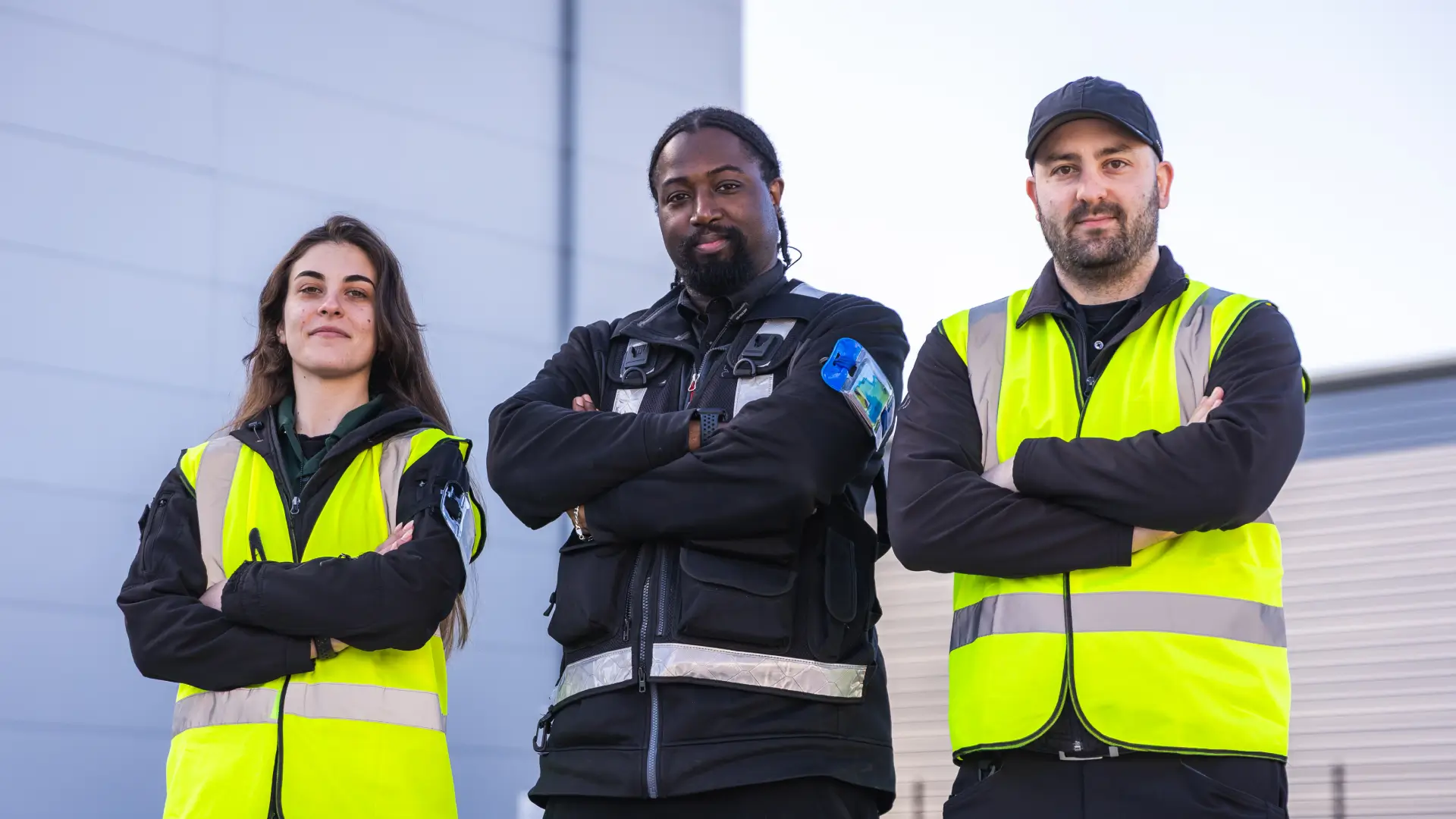
It is not enough to know that someone is on the way. You also need to know that the person dispatched is licensed, vetted, professionally trained, and able to handle the situation according to clear service standards.
This is something David Myers, Chief Operating Officer of AURA, understands from more than a decade spent building and scaling technology, mobility, and security businesses across Europe, the Middle East, and Africa. As he explains:
“A high-quality response means getting the right responder to the right incident, with the right training, equipment, professionalism, communication, and accountability — not just getting someone there quickly.”
The problem with traditional alarm response
The security industry is often highly fragmented.
Different guard companies, patrol providers, alarm responders, and dispatch teams may all operate across separate systems with different service standards, escalation procedures, and operational expectations.
A property owner may know an alarm was triggered, but not whether a responder has accepted the dispatch, whether they are moving within SLA, or whether the person sent to site is properly vetted and equipped to handle the incident professionally.
David explains it clearly:
“Traditional response networks were not designed for the way we live today. They tend to operate in silos, with different providers, control rooms, dispatch systems, and service areas all working independently.”
In practice, fragmentation can lead to slower response. It can also mean the responder sent to site is simply the one available within a provider’s system — not necessarily the closest, best-suited, or most reliable person for that specific property incident.
That is why a modern security response network needs to do more than connect an alert to a provider. It needs to coordinate the right licensed responder, track their movement in real time, monitor whether SLAs are being met, and ensure the incident is handled and reported properly.
Why responder quality matters as much as speed
Response time matters. But speed does not guarantee a reliable outcome.
When responding to an alarm, the security responder must be able to assess the situation calmly and professionally. They need to verify what is happening on-site, document the incident clearly, communicate updates, and escalate if law enforcement support is required.
A fast response that is poorly handled can still create operational risk.
David summarises the point simply:
“Being ‘available’ is not enough; providers must be able to operate to AURA’s service levels and utilise our technology, reporting, dispatch, and incident management processes.”
That is why a trusted security response network needs consistent standards across every provider and responder in the network.
How AURA vets security network partners
AURA’s partner selection process starts with a non-negotiable: every security responder and supplier must comply with relevant licensing, insurance, and operating requirements in their market.
From there, AURA applies additional operational standards around professionalism, communication, escalation handling, incident reporting, response reliability, and ability to operate within AURA’s technology platform.
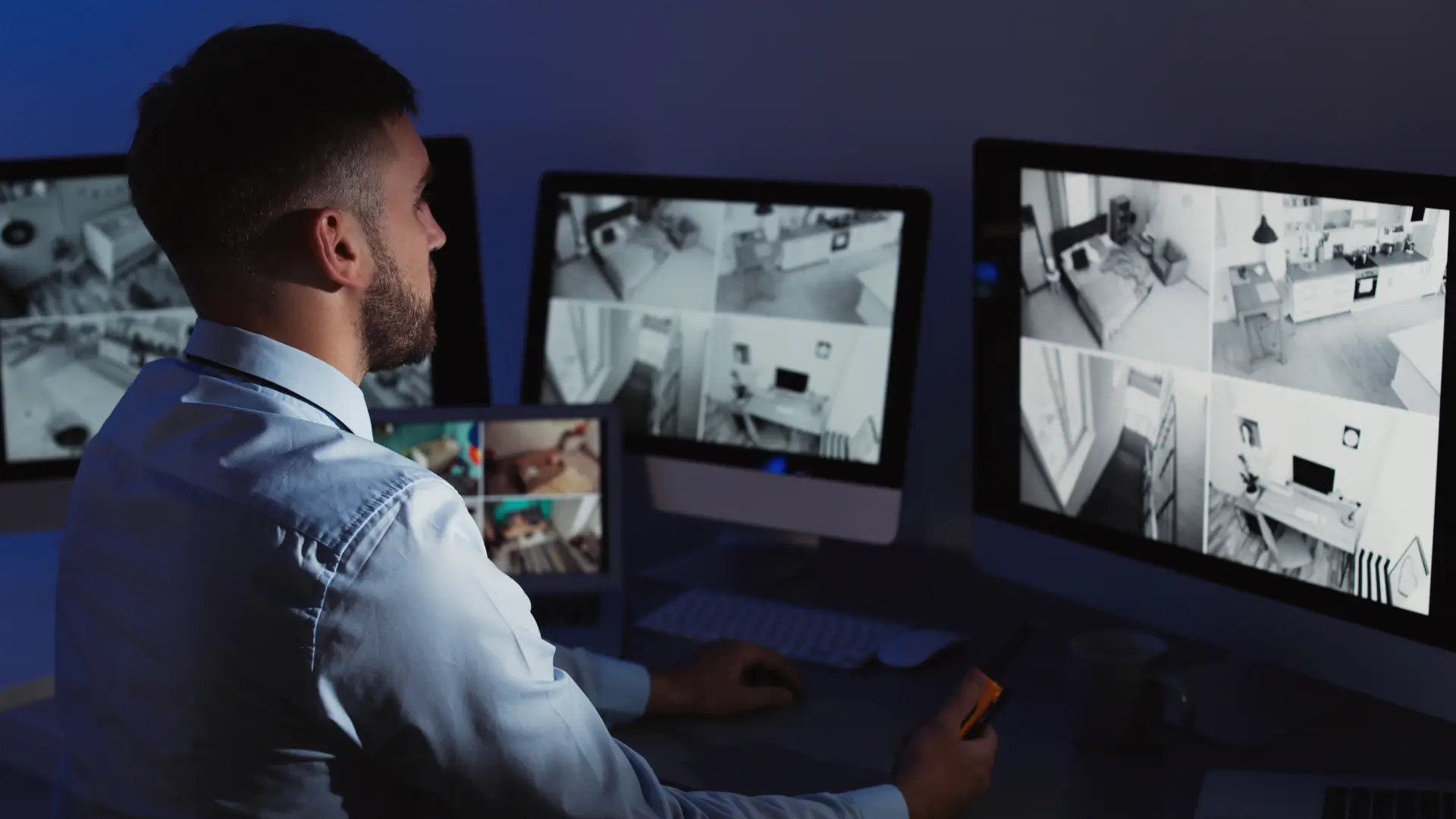
Every response is managed in real time through AURA’s control room, giving the team visibility into dispatch decisions, responder movement, ETA accuracy, arrival confirmation, incident notes, and escalation activity.
As David explains:
“Quality is not treated as a once-off onboarding exercise. It is actively managed every day through technology, real-time control-centre oversight, performance data, service reviews, and the ability to remove suppliers or responders who do not meet the standard.”
Why ongoing accountability matters
A trusted security response network cannot rely on onboarding alone.
Service quality can fluctuate over time. A provider that performs well initially may not maintain the same standard over time. That is why AURA continuously monitors and manages its network partners.
Every incident on the platform creates a detailed operational record, including:
who accepted the dispatch,
how quickly they acknowledged it,
travel progress,
ETA accuracy,
arrival confirmation,
incident notes,
photos where relevant,
escalation activity,
and final resolution.
This data allows AURA to identify patterns, not just isolated failures.
If a response partner repeatedly misses ETAs, communicates poorly, fails to follow escalation protocols, submits poor incident reports, or delivers an unreliable customer experience, corrective action can be taken quickly.
David summarizes AURA’s approach clearly:
“AURA ensures quality by combining world-class response suppliers with technology that brings real-time transparency, tracking, and oversight to every incident, while enforcing clear service levels across the network.”
What businesses should look for in a security response network
For businesses evaluating a security response network, scale alone is not enough. A large network only matters if its responders are properly vetted, coordinated, and actively managed.
The strongest networks should be able to explain how responders are selected, how incidents are tracked, how alarm verification is handled, how escalation to law enforcement works, and what happens when providers underperform.
Businesses should look for evidence of:
licensed and vetted security responders
real-time dispatch and tracking
clear alarm verification workflows
digital incident reporting
escalation procedures for law enforcement support
ongoing performance monitoring
accountability for missed standards
The goal is not simply to dispatch someone. The goal is to deliver a reliable response that property teams can trust.
Trust is built before the incident happens
Peace of mind does not come from an alarm trigger alone.
It comes from knowing that a licensed and vetted responder is on the way, that their movement can be tracked in real time, that the incident will be verified on-site, and that the outcome will be clearly reported.
AURA combines vetted security network partners with real-time coordination, live tracking, alarm verification workflows, and continuous quality management to help businesses deliver more reliable property protection.
By continuously vetting and monitoring its network partners, AURA helps ensure response quality remains consistent — giving property owners, managers, and customers greater confidence when incidents happen.
Lindsay Campbell
Senior Marketing Manager
FAQs
Everything you need to know about AURA's security response network.
What makes a security response network trustworthy?
A trusted security response network combines licensed security responders, consistent service standards, real-time coordination, live visibility, and ongoing performance management.
Why is responder vetting important?
Responder vetting helps ensure security responders are licensed, insured, trained, and capable of handling incidents professionally while following defined operational standards.
Is response time the most important measure?
Response time is important, but it is not the only factor. The responder must also communicate clearly, follow procedures, manage the incident professionally, and escalate appropriately when needed.
How does AURA monitor responder quality?
AURA manages incidents through a 24/7 control center using live tracking, digital incident reporting, service reviews, operational oversight, and ongoing performance monitoring.
What should businesses look for in a security response network?
Businesses should look for responder vetting standards, real-time visibility, reliable dispatch coordination, digital reporting, escalation procedures, and accountability for underperformance.
Make property protection faster and easier to manage
Connect properties to rapid response, live incident visibility, and responder dispatch through one scalable platform.
Join AURA at the Nevada Security Association in Las Vegas on October 28 for its annual Industry Get Together & Youth Scholarship Fundraiser.
United States
United States
•
November 18-19, 2026
LLSSA Convention
Meet AURA at the LLSSA 2026 Convention in Kenner and discover a new way to grow recurring monthly revenue from the accounts you already serve.
United States
United States
•
October 21-23, 2026
TBFAA Convention & Trade Show 2026
Meet AURA at the TBFAA Convention & Trade Show in College Station and explore how on-demand guard response can help you grow recurring monthly revenue from the accounts you already serve.
United States
{
"@context": "https://schema.org",
"@graph": [
{
"@type": "WebPage",
"@id": "https://www.aurasos.com/en-us/insights-hub/blog/licensed-security-response-network#webpage",
"url": "https://www.aurasos.com/en-us/insights-hub/blog/licensed-security-response-network",
"name": "Vetted security response network for property protection",
"inLanguage": "en-US",
"isPartOf": {
"@id": "https://www.aurasos.com/#website"
},
"primaryImageOfPage": {
"@id": "https://www.aurasos.com/en-us/insights-hub/blog/licensed-security-response-network#heroimage"
},
"breadcrumb": {
"@id": "https://www.aurasos.com/en-us/insights-hub/blog/licensed-security-response-network#breadcrumb"
},
"datePublished": "2026-08-14T00:00:00-05:00",
"dateModified": "2026-08-14T00:00:00-05:00"
},
{
"@type": "BreadcrumbList",
"@id": "https://www.aurasos.com/en-us/insights-hub/blog/licensed-security-response-network#breadcrumb",
"itemListElement": [
{
"@type": "ListItem",
"position": 1,
"name": "Home",
"item": "https://www.aurasos.com/en-us"
},
{
"@type": "ListItem",
"position": 2,
"name": "Insights hub",
"item": "https://www.aurasos.com/en-us/insights-hub"
},
{
"@type": "ListItem",
"position": 3,
"name": "What makes a security response network trustworthy?"
}
]
},
{
"@type": "Article",
"@id": "https://www.aurasos.com/en-us/insights-hub/blog/licensed-security-response-network#article",
"headline": "What makes a security response network trustworthy?",
"description": "Learn what makes a security response network trustworthy, from vetted responders to alarm verification, real-time dispatch, and accountability.",
"url": "https://www.aurasos.com/en-us/insights-hub/blog/licensed-security-response-network",
"mainEntityOfPage": {
"@id": "https://www.aurasos.com/en-us/insights-hub/blog/licensed-security-response-network#webpage"
},
"datePublished": "2026-08-14T00:00:00-05:00",
"dateModified": "2026-08-14T00:00:00-05:00",
"inLanguage": "en-US",
"image": {
"@id": "https://www.aurasos.com/en-us/insights-hub/blog/licensed-security-response-network#heroimage"
},
"author": {
"@id": "https://www.aurasos.com/#person-lindsay-campbell"
},
"publisher": {
"@id": "https://www.aurasos.com/#organization"
}
},
{
"@type": "Person",
"@id": "https://www.aurasos.com/#person-lindsay-campbell",
"name": "Lindsay Campbell",
"jobTitle": "Senior Marketing Manager",
"worksFor": {
"@id": "https://www.aurasos.com/#organization"
}
},
{
"@type": "ImageObject",
"@id": "https://www.aurasos.com/en-us/insights-hub/blog/licensed-security-response-network#heroimage",
"url": "https://cdn.prod.website-files.com/6935202f18820fc925aa937f/6a05d37e658fe7fb0f5d995b_security_response_network.webp",
"contentUrl": "https://cdn.prod.website-files.com/6935202f18820fc925aa937f/6a05d37e658fe7fb0f5d995b_security_response_network.webp"
},
{
"@type": "FAQPage",
"@id": "https://www.aurasos.com/en-us/insights-hub/blog/licensed-security-response-network#faq",
"isPartOf": {
"@id": "https://www.aurasos.com/en-us/insights-hub/blog/licensed-security-response-network#webpage"
},
"mainEntity": [
{
"@type": "Question",
"name": "What makes a security response network trustworthy?",
"acceptedAnswer": {
"@type": "Answer",
"text": "A trusted security response network combines licensed security responders, consistent service standards, real-time coordination, live visibility, and ongoing performance management."
}
},
{
"@type": "Question",
"name": "Why is responder vetting important?",
"acceptedAnswer": {
"@type": "Answer",
"text": "Responder vetting helps ensure security responders are licensed, insured, trained, and capable of handling incidents professionally while following defined operational standards."
}
},
{
"@type": "Question",
"name": "Is response time the most important measure?",
"acceptedAnswer": {
"@type": "Answer",
"text": "Response time is important, but it is not the only factor. The responder must also communicate clearly, follow procedures, manage the incident professionally, and escalate appropriately when needed."
}
},
{
"@type": "Question",
"name": "How does AURA monitor responder quality?",
"acceptedAnswer": {
"@type": "Answer",
"text": "AURA manages incidents through a 24/7 control center using live tracking, digital incident reporting, service reviews, operational oversight, and ongoing performance monitoring."
}
},
{
"@type": "Question",
"name": "What should businesses look for in a security response network?",
"acceptedAnswer": {
"@type": "Answer",
"text": "Businesses should look for responder vetting standards, real-time visibility, reliable dispatch coordination, digital reporting, escalation procedures, and accountability for underperformance."
}
}
]
}
]
}





.webp)




.webp)






.svg)


.svg)
.svg)
.svg)
.svg)
.svg)